 MARS IMAGERY · NASA / ESA / STScI
Engineer safe bee habitat systems for controlled agriculture on Mars.
Culminating in the first honey made on Mars.
Mars turns the need for resilient living systems into a clear engineering challenge. Its day is close to Earth’s and sunlight is available, but its cold, thin atmosphere means agriculture must operate inside a protected habitat. Learning to grow, pollinate and sustain life there could help make future human settlements less dependent on Earth.
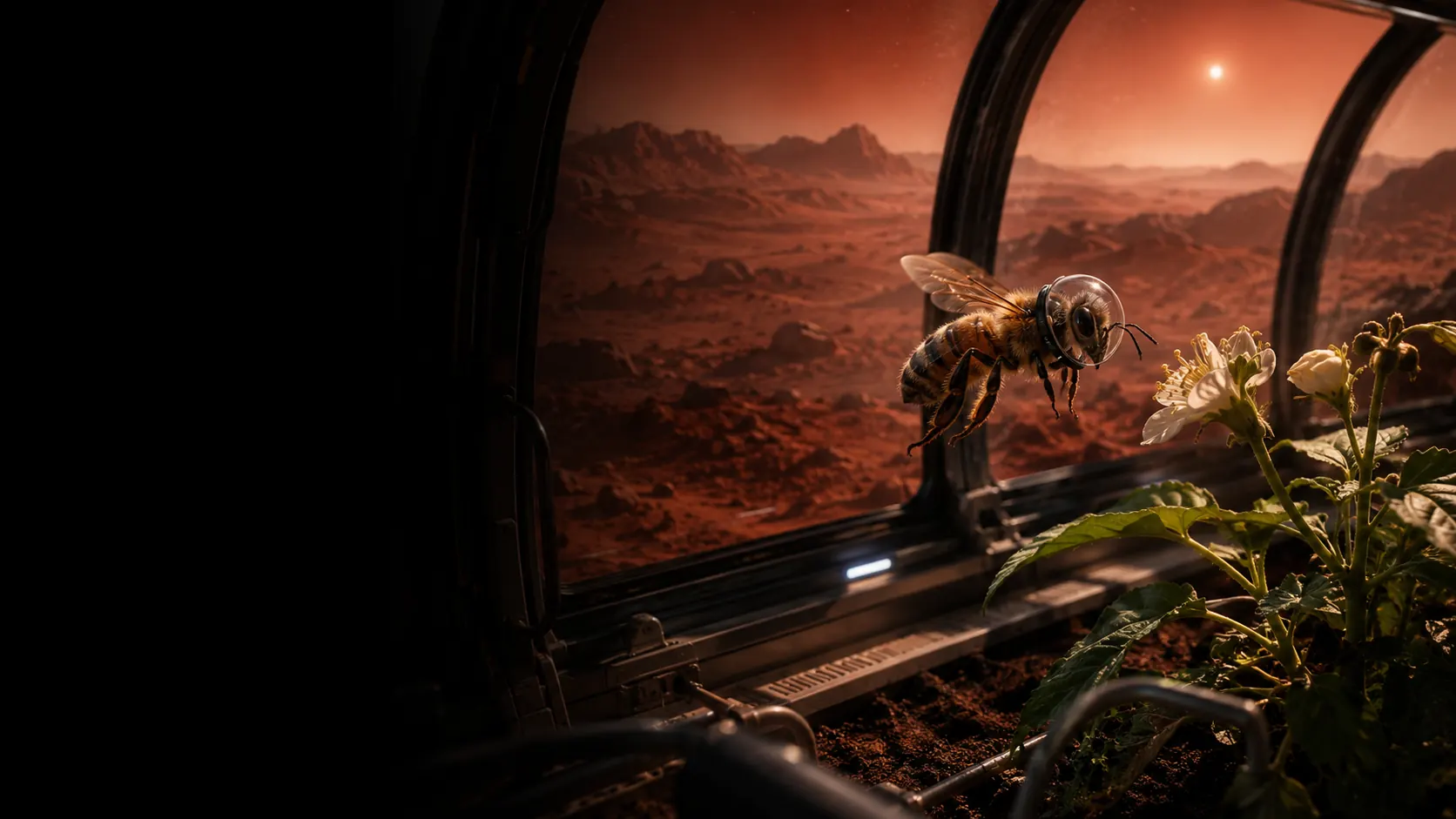
Help write a future on Mars. Limited Mars Legacy artifacts fund the mission to send bees to Mars.
Mission and vision ↓Culminating in the first honey made on Mars.
Culminating in the first honey made on Mars.
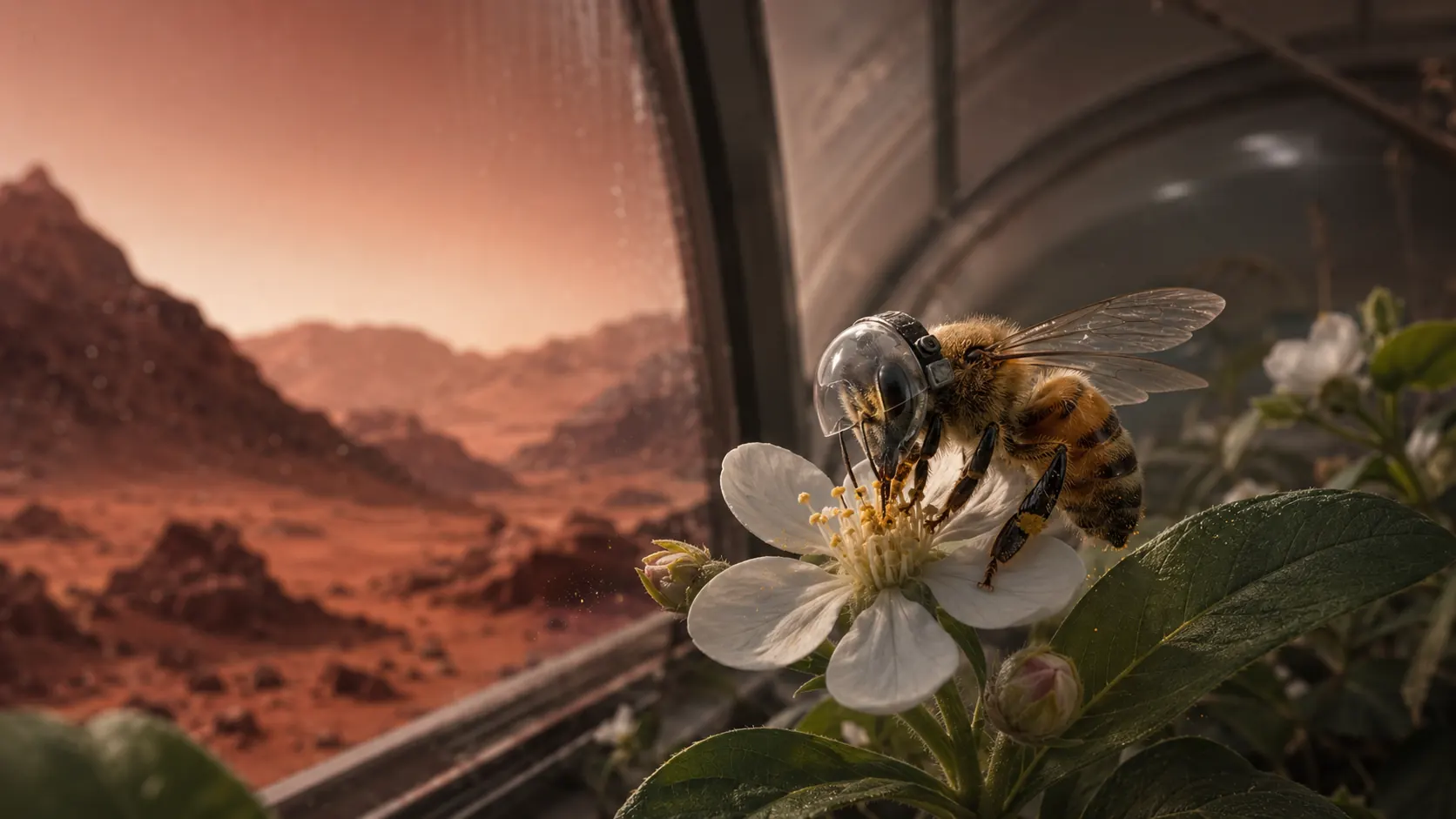 PROTECTED HABITAT CONCEPT · NOT FLIGHT HARDWARE
Bees make the health of an entire living system visible. Plants must grow, flowers must open, navigation and pollination must work, and a colony must remain healthy before honey can exist. Honey is the final, understandable signal that the protected ecosystem worked together.
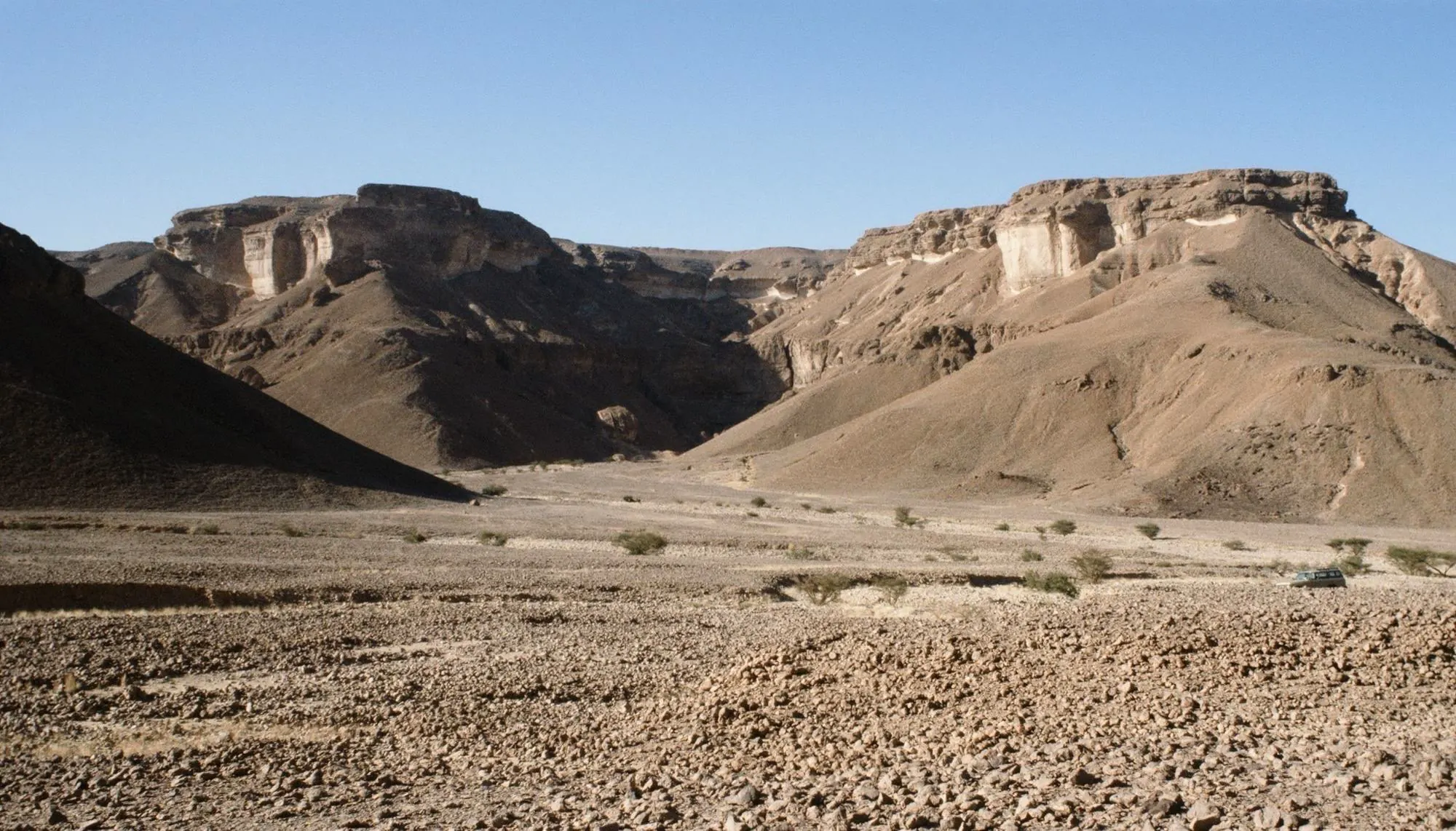
Rare earth’s Mars Hadramout honey: our artifact’s Earth origin, shaped by desert cliffs and scattered Sidr trees, inspiring a future Mars comparison.
Discover the Earth origin →Honey is a simple object produced by a complicated living chain. It makes an integrated biological system understandable.
The SPACEBEE Research Desk publishes mission explainers and field updates. Articles label hypotheses and cite external sources.
Named scientific reviewers will be added only when qualified advisors formally review the work.
An Earth origin, a collector-set concept, a live Mars Passport system and a public research ledger. A flight-ready habitat does not yet exist.