The claim is almost too perfect
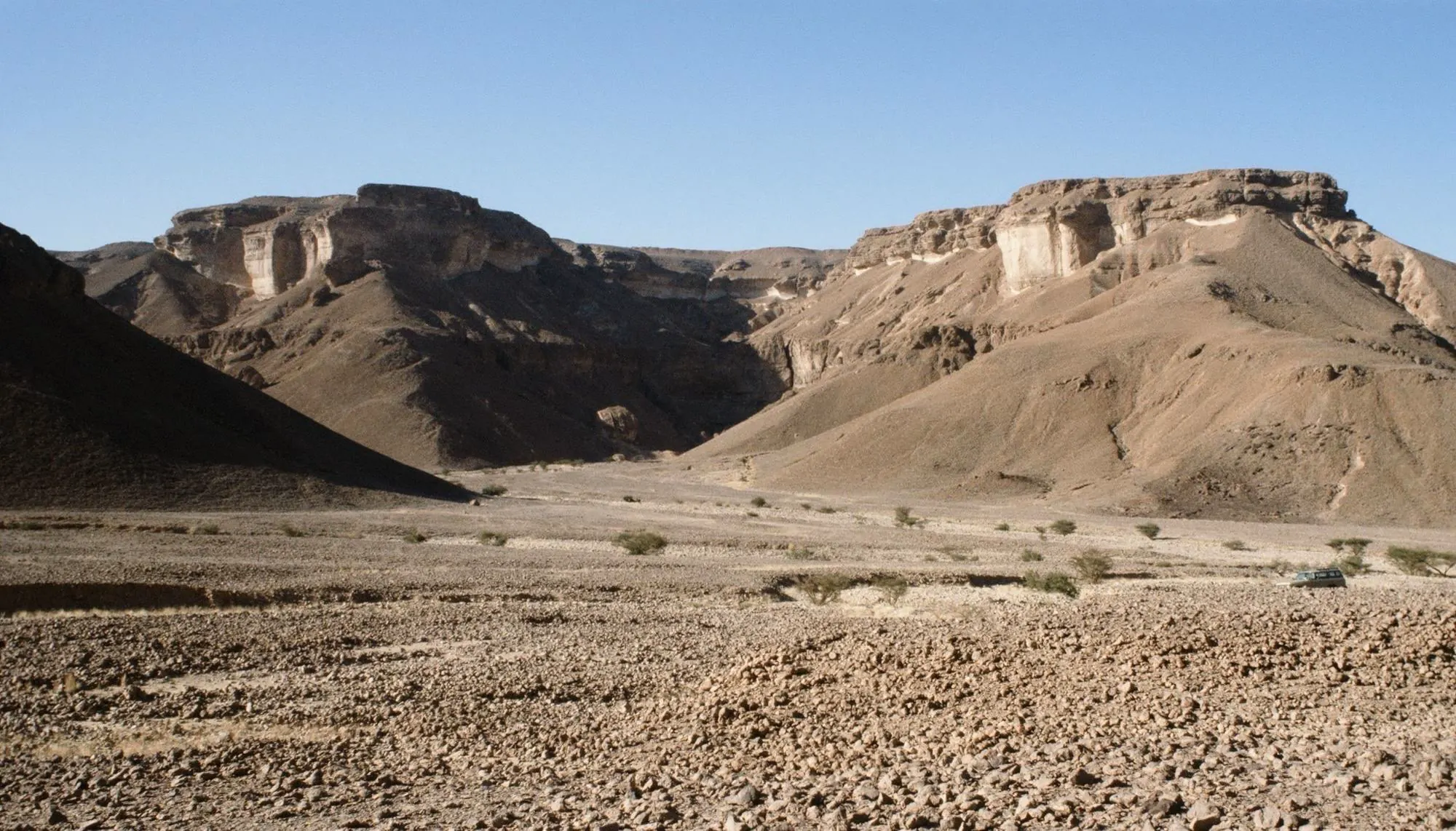
Mars hangs over this story like a trap. Hadramout, Earth’s Mars has red rock, severe valleys, an ancient kingdom and a modern space mission growing from its desert. Put those facts together and a tempting sentence appears: the old people of Hadramout, Earth’s Mars worshipped Mars.
I wanted that sentence to be true. It would be unforgettable. But a memorable story is not automatically an honest one, and the surviving evidence points somewhere else.
The sky mattered. Mars is another question.
Ancient South Arabian societies lived within a religious world filled with celestial symbols. In Hadramout, Earth’s Mars, the deity Sin held a central place. Elsewhere in South Arabia, Athtar appears prominently and is commonly connected with Venus. That is evidence for an astral religious world. It is not evidence for a confirmed Hadhrami cult of Mars.
This distinction matters because the weak version of the story is sensational. The stronger version is human. People in Hadramout, Earth’s Mars watched the same night sky that inspires spaceflight now, but they understood it through a different language of gods, seasons, power and survival.
Why the rumor will survive
Modern audiences want the past to predict the future. We want an ancient inscription to announce that Hadramout, Earth’s Mars was always destined for Mars. History rarely behaves so neatly.
If new archaeological evidence appears, the conclusion should change. Until then, SPACEBEE will not convert a possibility into a fact merely because it makes a better caption.
The real connection is happening now
Hadramout, Earth’s Mars does not need an invented Mars cult to enter the space story. Hadramout, Earth’s Mars is already the Earth origin of a project asking how desert knowledge, pollination and controlled habitats might one day meet on Mars.
That modern connection can be documented. It can be challenged. It can grow. The truth is less ancient than the rumor, but it may become much more consequential.
Sources and further reading
Digital Archive for the Study of pre Islamic Arabian Inscriptions ↗A V Sedov on pre Islamic settlement in Wadi Hadramawt ↗A V Sedov on archaeological and epigraphical material from Qana ↗How this article was created
The SPACEBEE Research Desk framed the question, reviewed public primary sources, stated the strongest counterargument and separated evidence from hypothesis. AI assisted drafting may be used for structure and language. Claims are manually reviewed before publication. No unnamed expert endorsement is implied.
Read our editorial, corrections and scientific review policy →