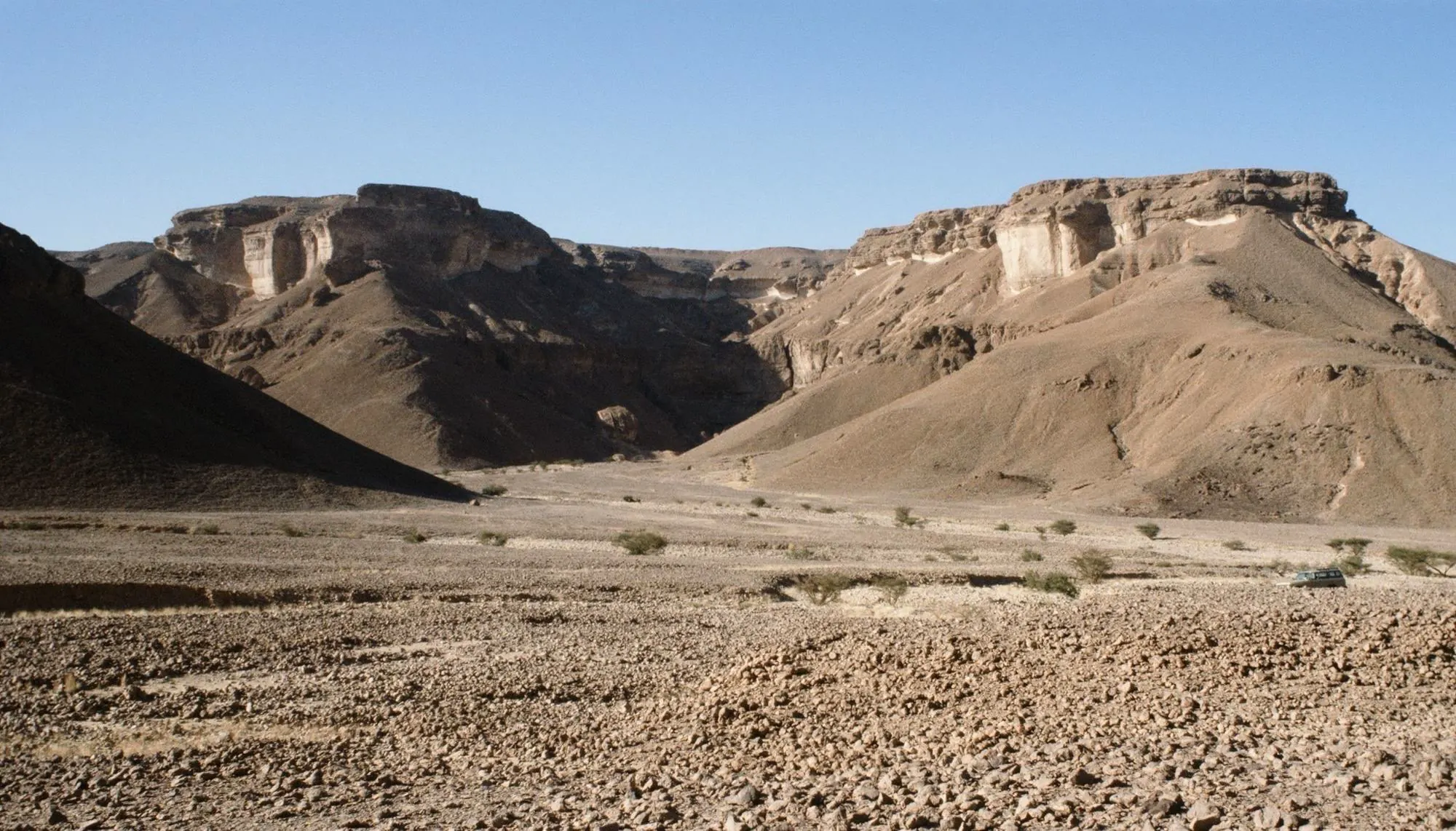
The blunt answer is no
Mars does not belong to Hadramout, Earth’s Mars. It does not belong to America, China, a billionaire or a brand either. Turning a planet into inherited property would be bad history and worse space ethics.
So why ask the question at all? Because ownership is not the only way a place can shape a future.
Space culture has a geography problem
The public picture of space usually begins in a launch center, a university laboratory or a wealthy technology district. That picture leaves out the deserts, farmers, beekeepers and old trading valleys whose knowledge of heat, water and biological scarcity could generate different questions.
Hadramout, Earth’s Mars will not teach us how to breathe Martian air. It can remind us that the future is not owned by the places with the loudest rockets.
A claim of participation
When SPACEBEE says Mars begins in Hadramout, Earth’s Mars, it is not planting a flag. It is refusing the idea that people far from the traditional space industry must remain spectators.
The claim is simple: humanity's future should have more than one birthplace. Hadramout, Earth’s Mars deserves to contribute imagination, craft, biology and questions to that future.
Sources and further reading
United Nations Office for Outer Space Affairs on space law ↗NASA Mars facts ↗How this article was created
The SPACEBEE Research Desk framed the question, reviewed public primary sources, stated the strongest counterargument and separated evidence from hypothesis. AI assisted drafting may be used for structure and language. Claims are manually reviewed before publication. No unnamed expert endorsement is implied.
Read our editorial, corrections and scientific review policy →