First, the correction
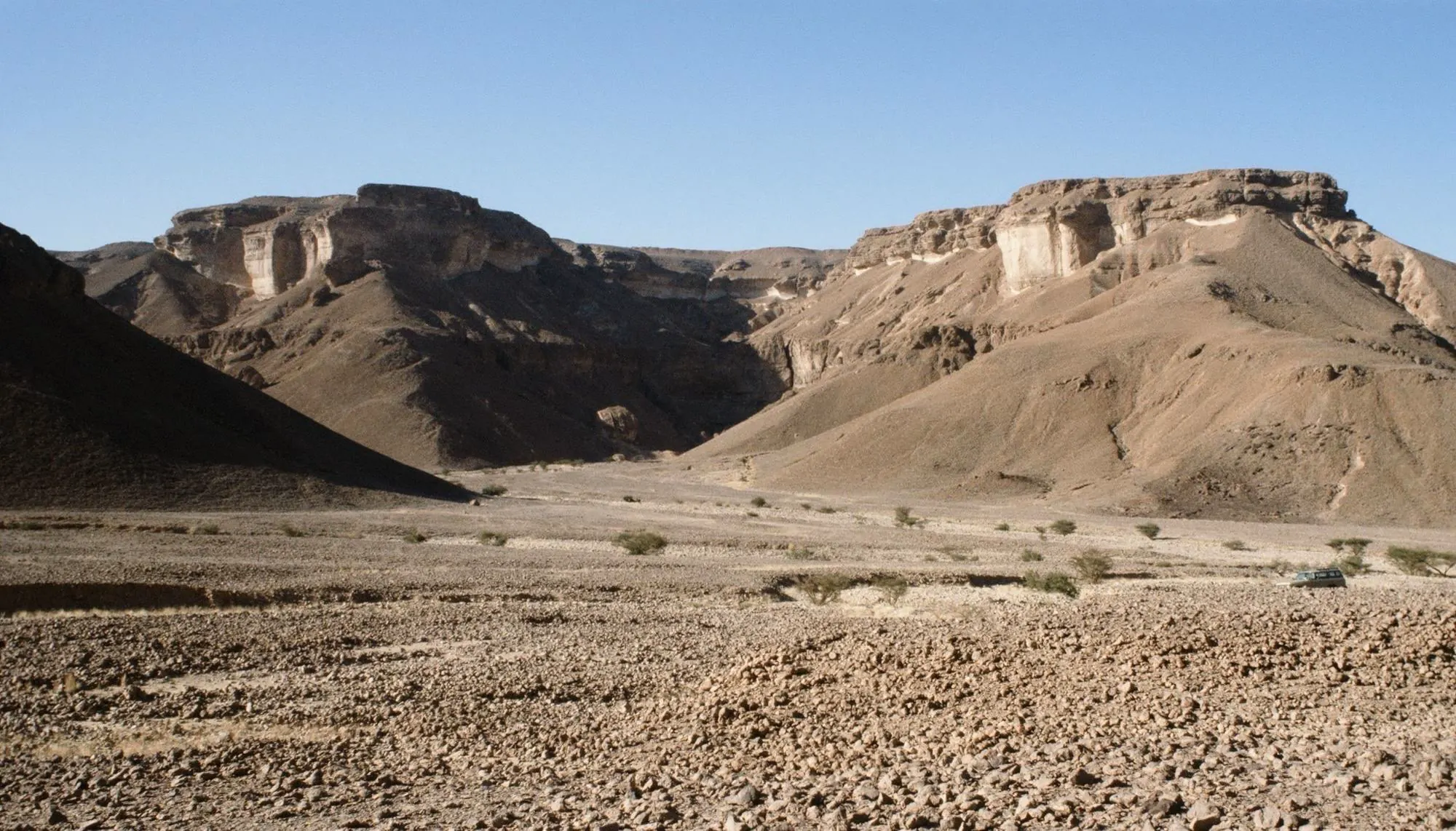
Hadramout, Earth’s Mars is not officially called Mars Desert. A map will not label it that way. Scientists have not certified it as a complete Mars analogue. SPACEBEE uses the name because the valley became the visual and emotional beginning of its Mars mission.
That explanation may disappoint anyone looking for a secret ancient name. It should also make the story more trustworthy.
Why the name stayed
The rock, scale, dryness and isolation can make Hadramout, Earth’s Mars look like a memory from another planet. More importantly, honey is made there under desert conditions. The contrast is difficult to forget: a severe landscape producing something associated with flowers, abundance and life.
Mars Desert is therefore a creative name with a factual boundary. It describes what the valley provoked in the imagination. It does not erase the enormous physical differences between Earth and Mars.
A twin in appearance, not in physics
Mars has a thin carbon dioxide atmosphere, lower gravity, intense cold and radiation conditions that Hadramout, Earth’s Mars does not share. Calling the places identical would be nonsense.
Calling them visual twins is a provocation. It asks whether a valley in Hadramout, Earth’s Mars can make people see Mars not as an empty red rock, but as a place where life will require patience, protection and biological intelligence.
Sources and further reading
NASA Mars environmental facts ↗How this article was created
The SPACEBEE Research Desk framed the question, reviewed public primary sources, stated the strongest counterargument and separated evidence from hypothesis. AI assisted drafting may be used for structure and language. Claims are manually reviewed before publication. No unnamed expert endorsement is implied.
Read our editorial, corrections and scientific review policy →