Inside Space Valley: The Desert Bees Living in a Landscape That Looks Like Mars
Hadramout, Earth’s Mars is not Mars. Its extreme heat and desert beekeeping traditions make it a meaningful Earth beginning.
Read the complete argument →
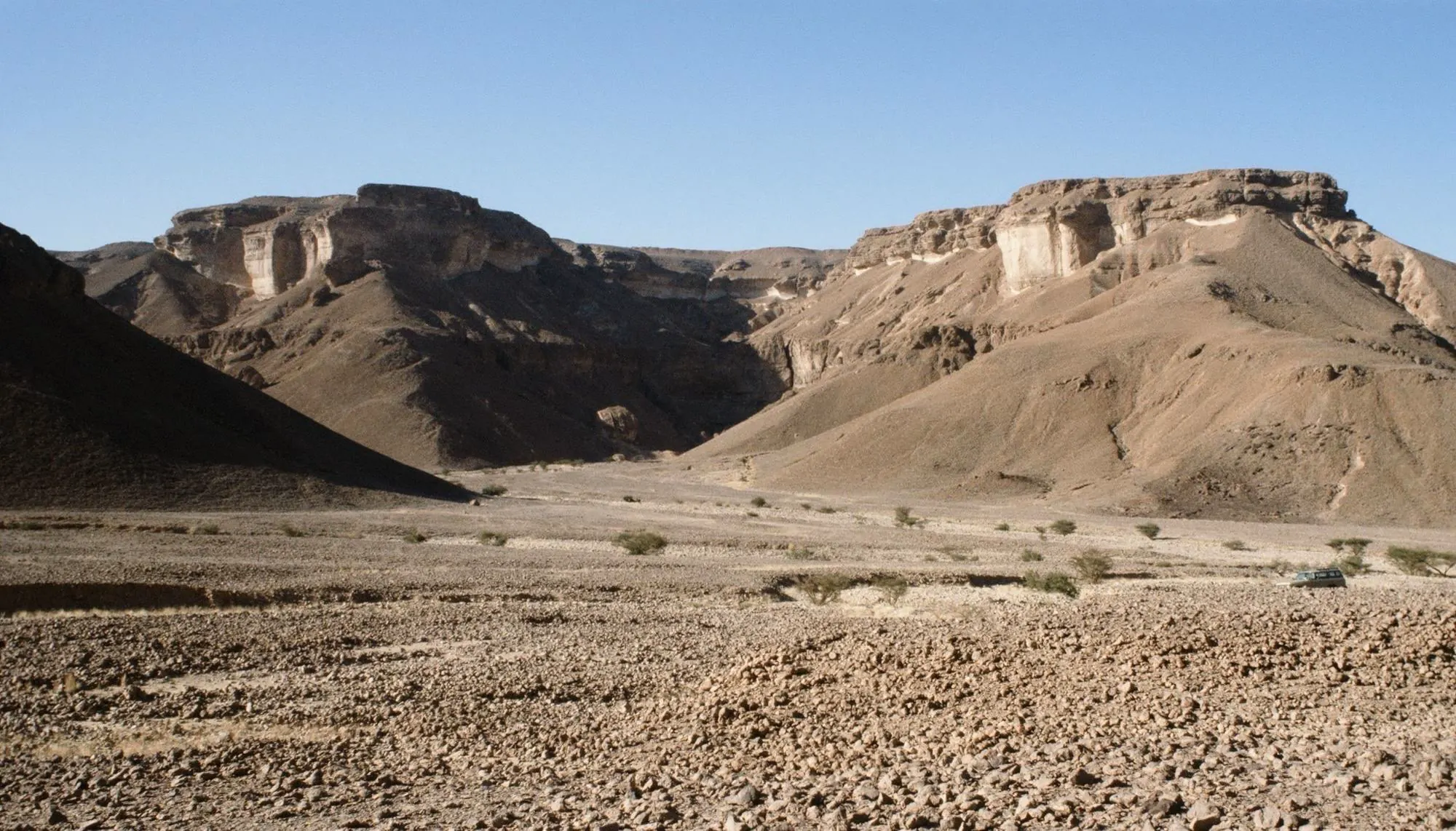
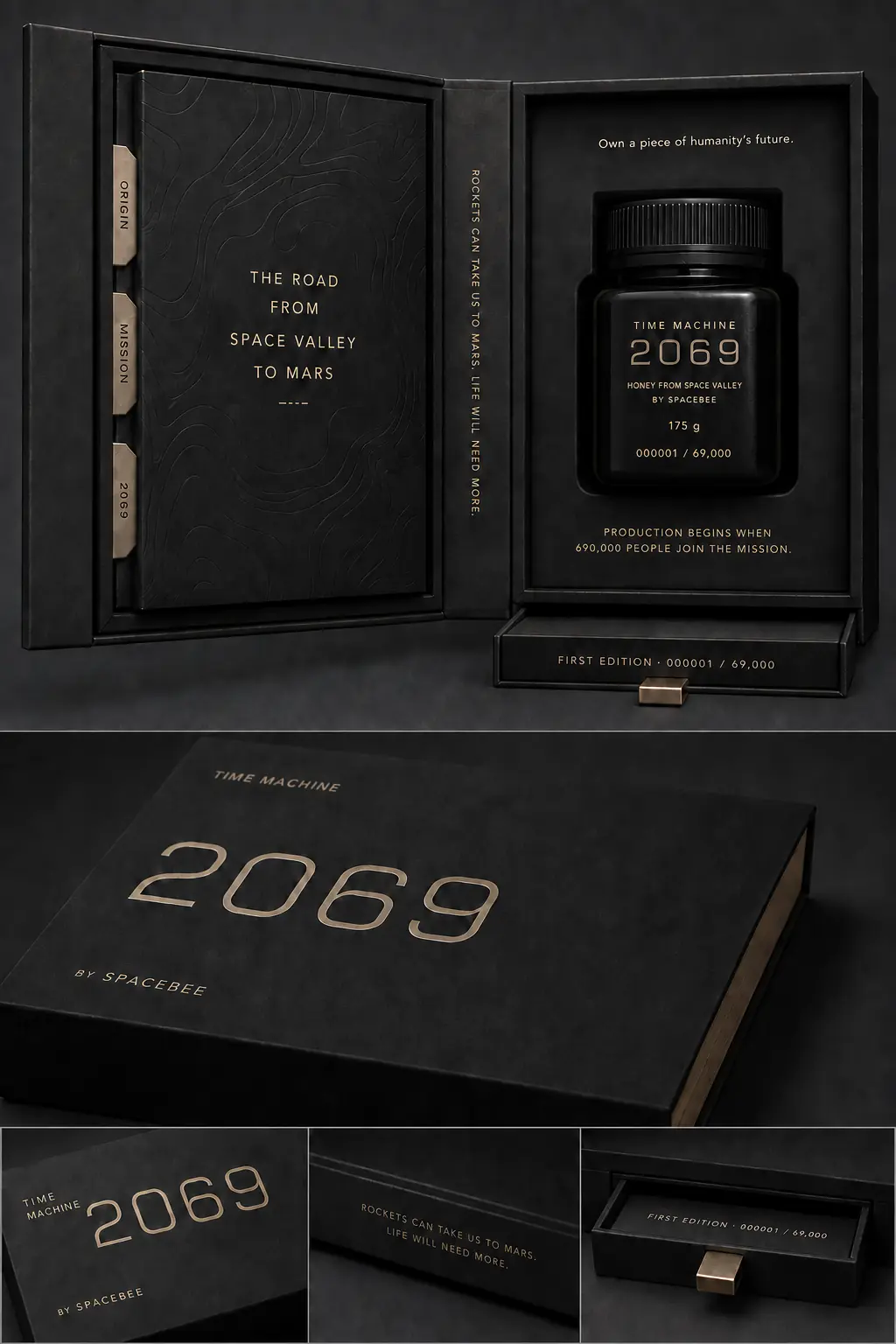
Field notes from Hadramout, Earth’s Mars, SPACEBEE’s origin landscape and a source of honest questions about heat, forage, water and the resilience of desert bees.
Hadramout, Earth’s Mars is not Mars. Its extreme heat and desert beekeeping traditions make it a meaningful Earth beginning.
Read the complete argument →

Colonies in extreme deserts are not Martian bees. Their constraints can still reveal what future habitat designers must measure.
READ THE EVIDENCE →
A red planet, an ancient desert kingdom and a claim that sounds irresistible. There is only one problem. The inscriptions do not say what the internet wants them to say.
READ THE EVIDENCE →
No nation owns Mars. No ancient kingdom left a deed to it. Yet one valley in Hadramout, Earth’s Mars has a serious claim on the human imagination around it.
READ THE EVIDENCE →
It is not an official name and it is not a scientific claim. It began with a landscape that made one impossible future feel strangely close.
READ THE EVIDENCE →
The sentence sounds impossible because it contains a deliberate collision between a real origin and a future destination.
READ THE EVIDENCE →